


If you own an electric vehicle, you undoubtedly know how cold weather can affect your driving range. But you should also familiarize yourself with how cooler conditions can affect charging. This is especially important if you have an at-home charger. A little preparation can help you avoid some of the headaches that winter weather can bring. It can also make your charging routine easier when temperatures start to fall.
Expect Longer Charging Sessions
When temperatures drop, the chemical reactions inside your EV’s battery can slow down. Because of this, the battery may not accept electricity as quickly as it normally does. This can make charging sessions take longer than usual. If your EV has a battery preconditioning option, consider using it. This feature warms the battery before charging and can help improve charging performance in cold weather. It may be especially useful when your vehicle has been sitting outside for several hours.
Ice Buildup Makes It Difficult to Insert the Charger
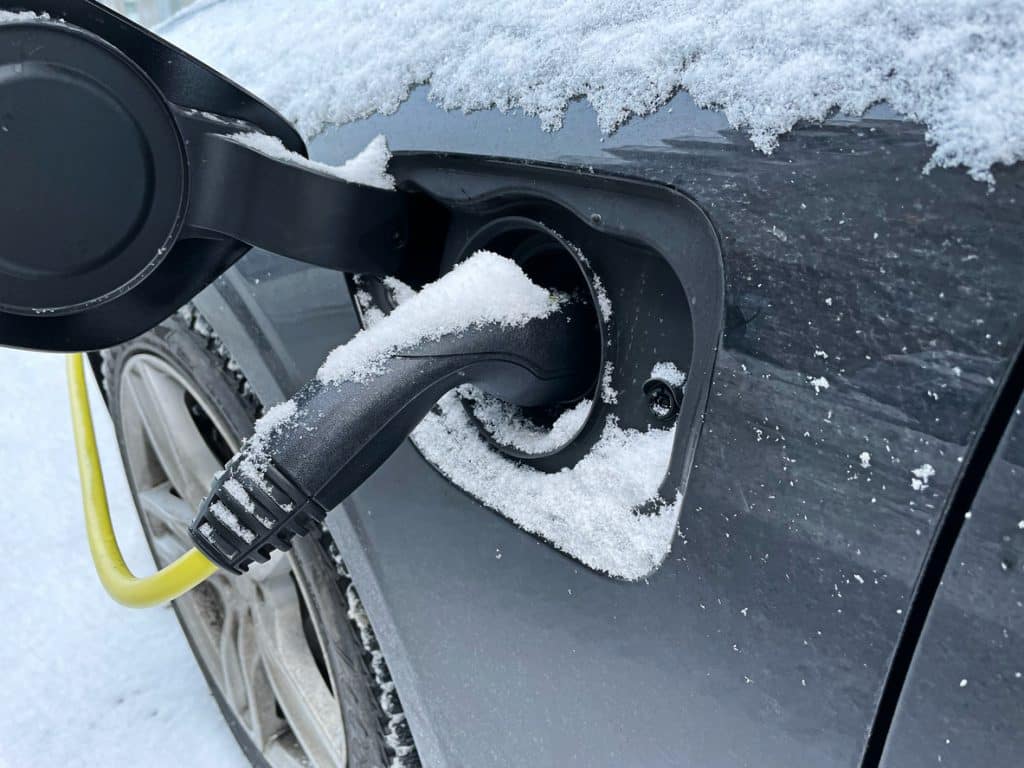
Snow and ice around the charging port can make plugging in your EV more difficult. Ice can prevent the charging connector from fully entering the port or locking into place. Always keep the charging port closed when it’s not in use. Before plugging in, carefully remove any snow or ice around the port and connector.
Condensation Can Cause Charging Problems
Repeated freezing and thawing can lead to moisture around your charging equipment. Water and ice can interfere with electrical connections if they get into damaged or unprotected components. Keep protective covers closed whenever your equipment isn’t being used. If the connector becomes wet, let it dry and follow the manufacturer’s instructions before plugging it in. It’s also a good idea to check the equipment for visible damage before starting a charging session.
Freezing Temperatures Can Affect Touchscreens
Many Level 2 chargers include touchscreens for monitoring charging and changing settings. When temperatures drop below freezing, some screens may become less responsive. You could have trouble starting a charging session or adjusting its settings. If your charger has a compatible mobile app, you may find it easier to use your smartphone when temperatures are especially cold.
Keep Your EV Charger Ready for Winter
Cold weather doesn’t have to make charging your EV a hassle. Keep snow and ice away from the charging equipment and check the connector for damage. You should also follow the manufacturer’s instructions for using your charger in winter weather. Taking a few extra precautions can help you spot potential problems before they interrupt your charging routine.
If you’re concerned about your at-home charger, an EV charger technician can help. A professional can inspect your setup and recommend ways to keep it working properly throughout the colder months. When you need EV charger services in Corpus Christi, TX, contact Mr Electrician South Texas.